
Beach volleyball at the 2016 Summer Olympics – Women's tournament
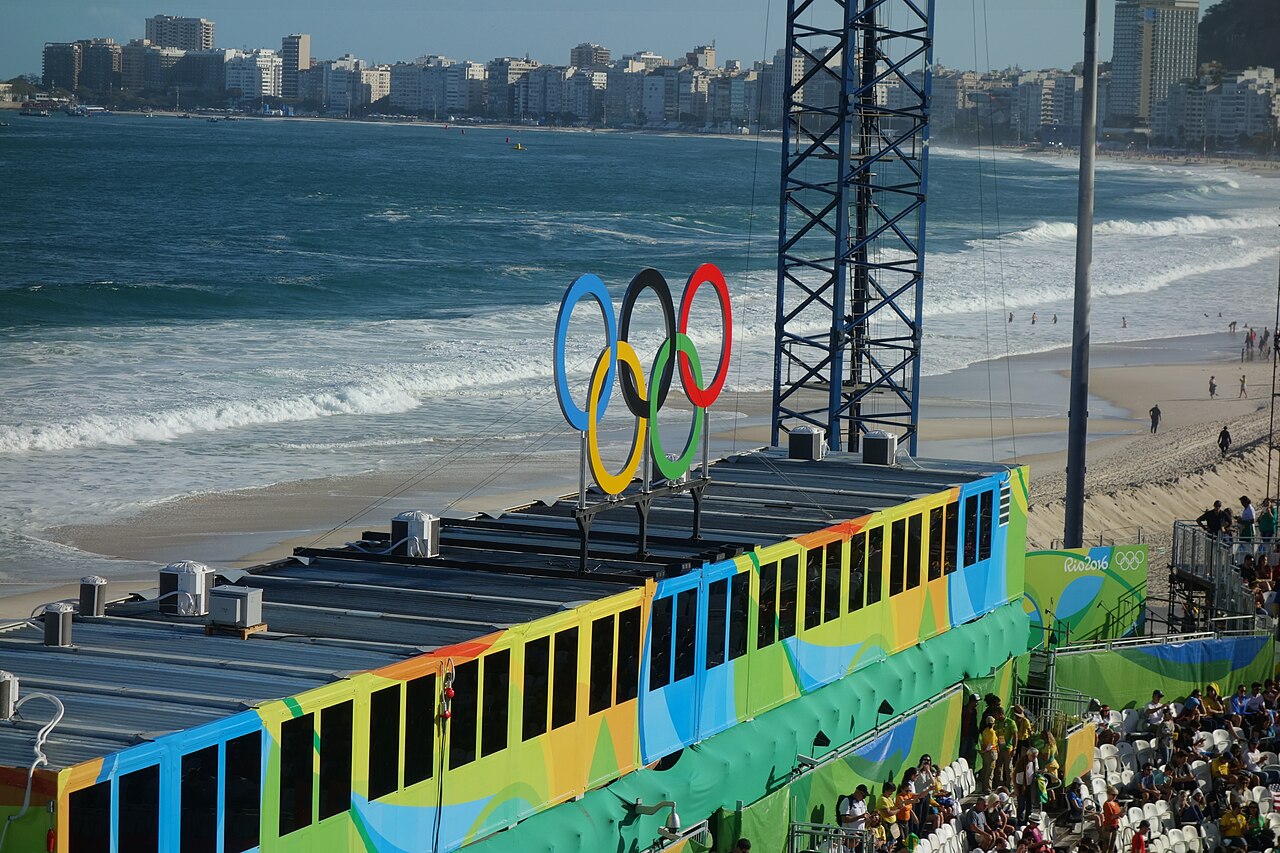
Twenty-four teams competed for gold at Copacabana Stadium.

Wikipedia / Wikimedia Commons
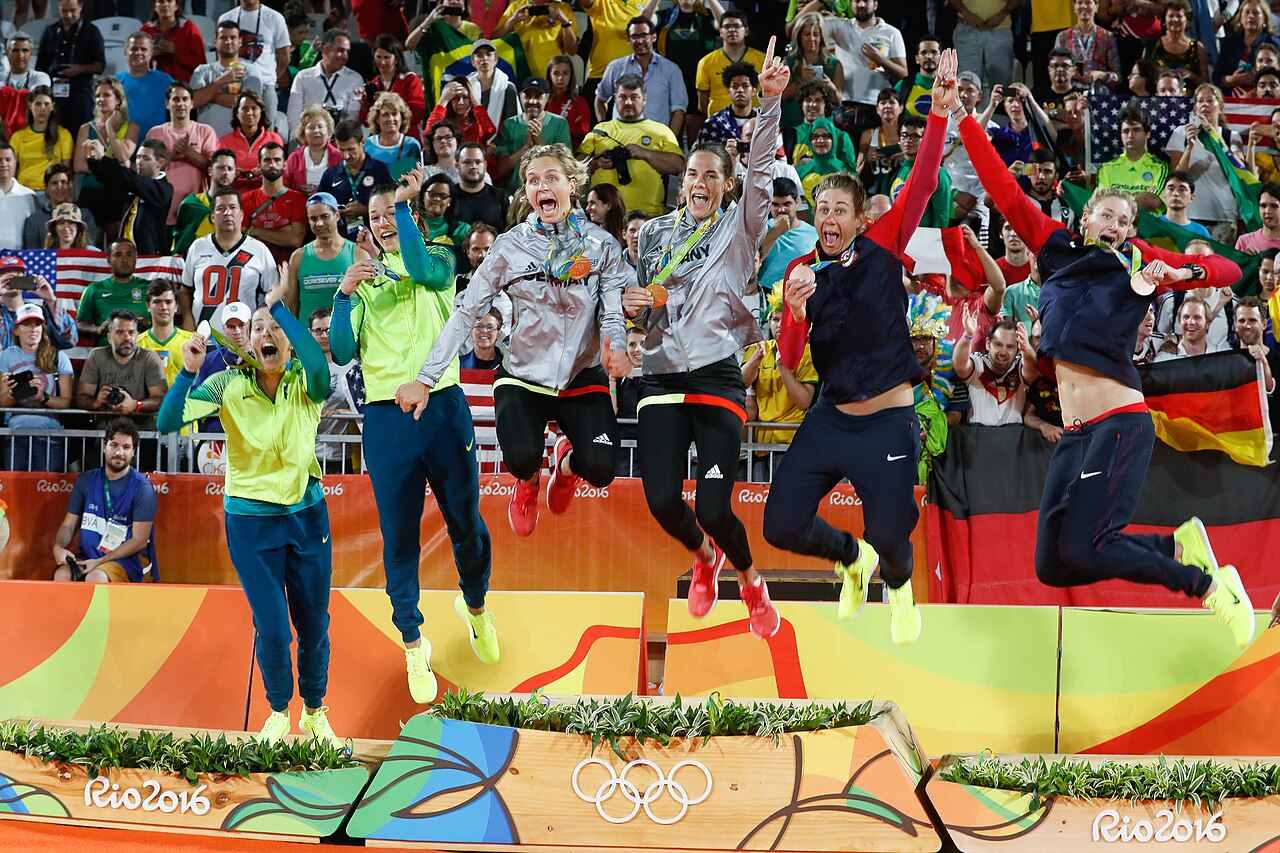
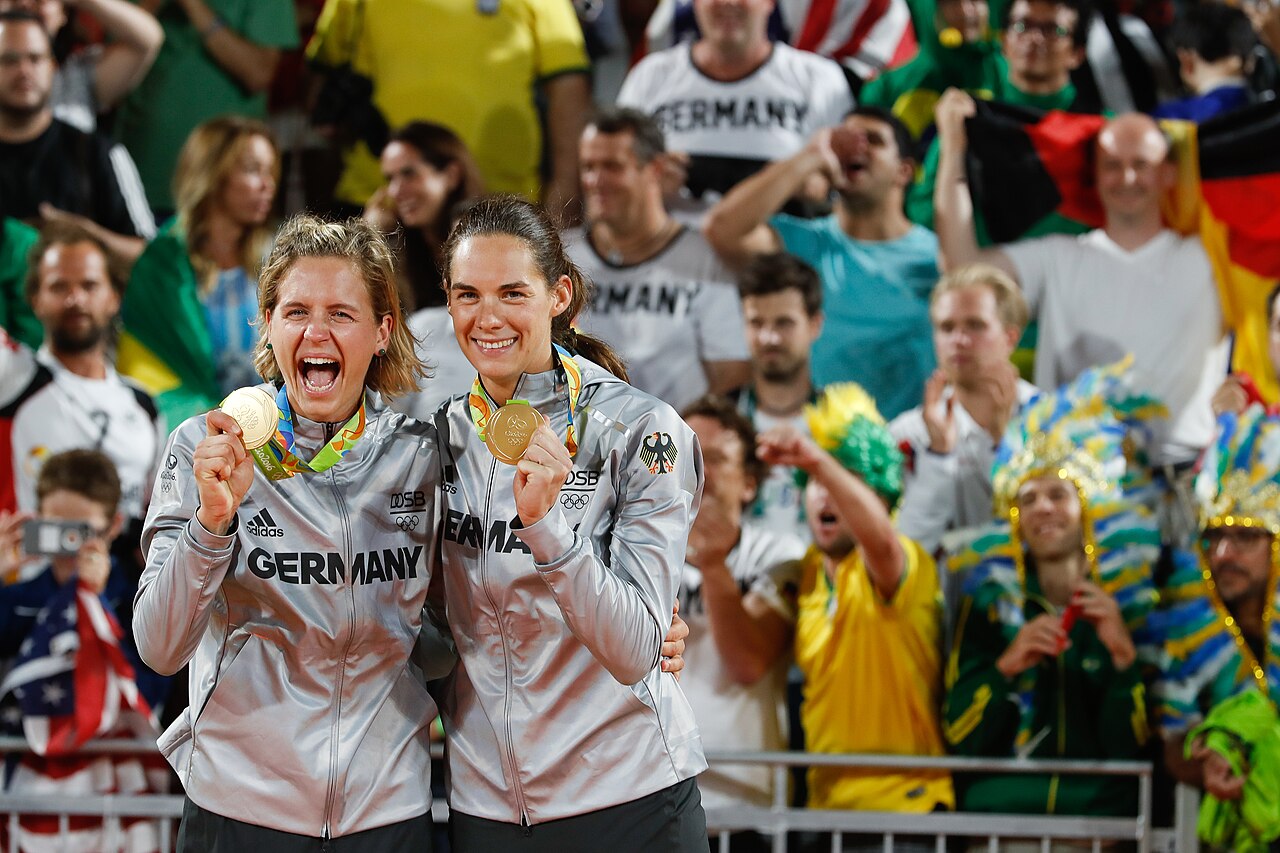
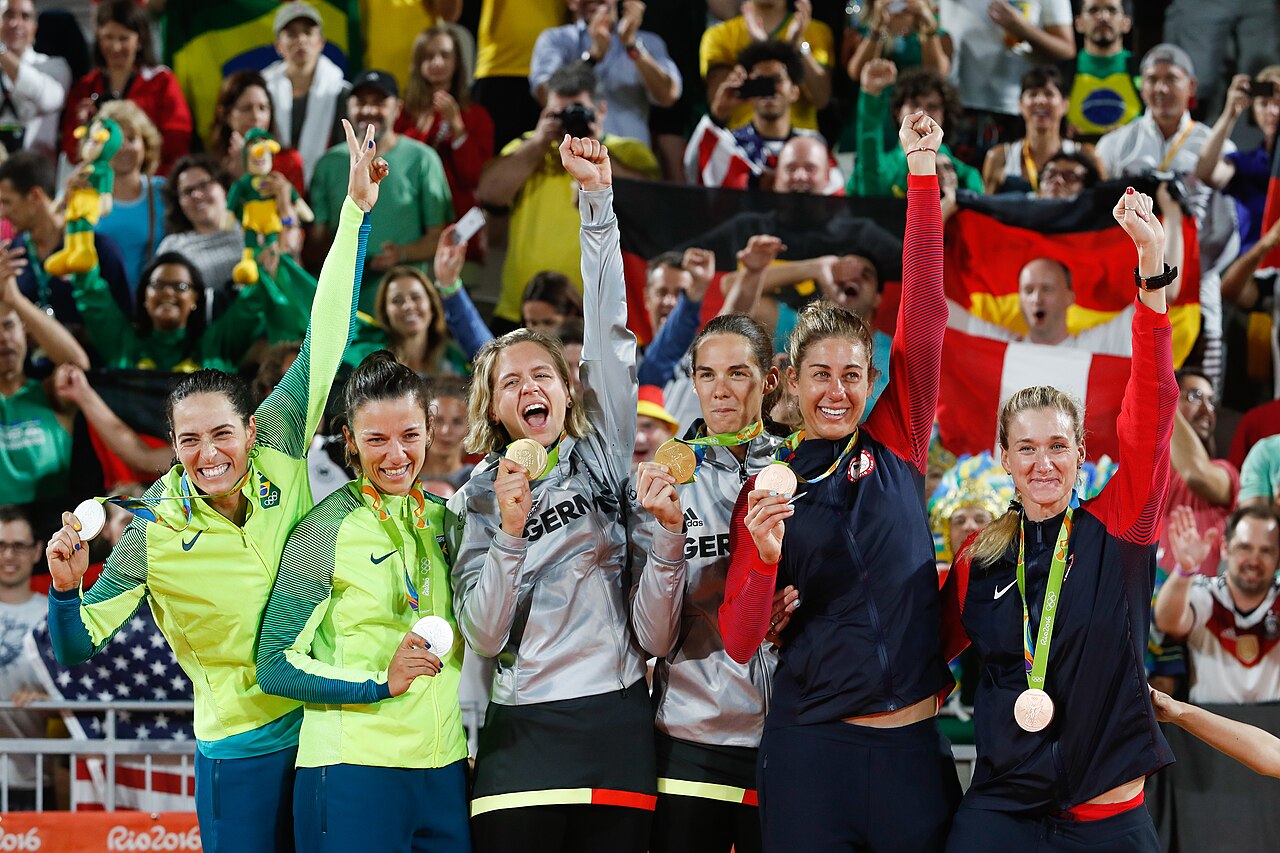
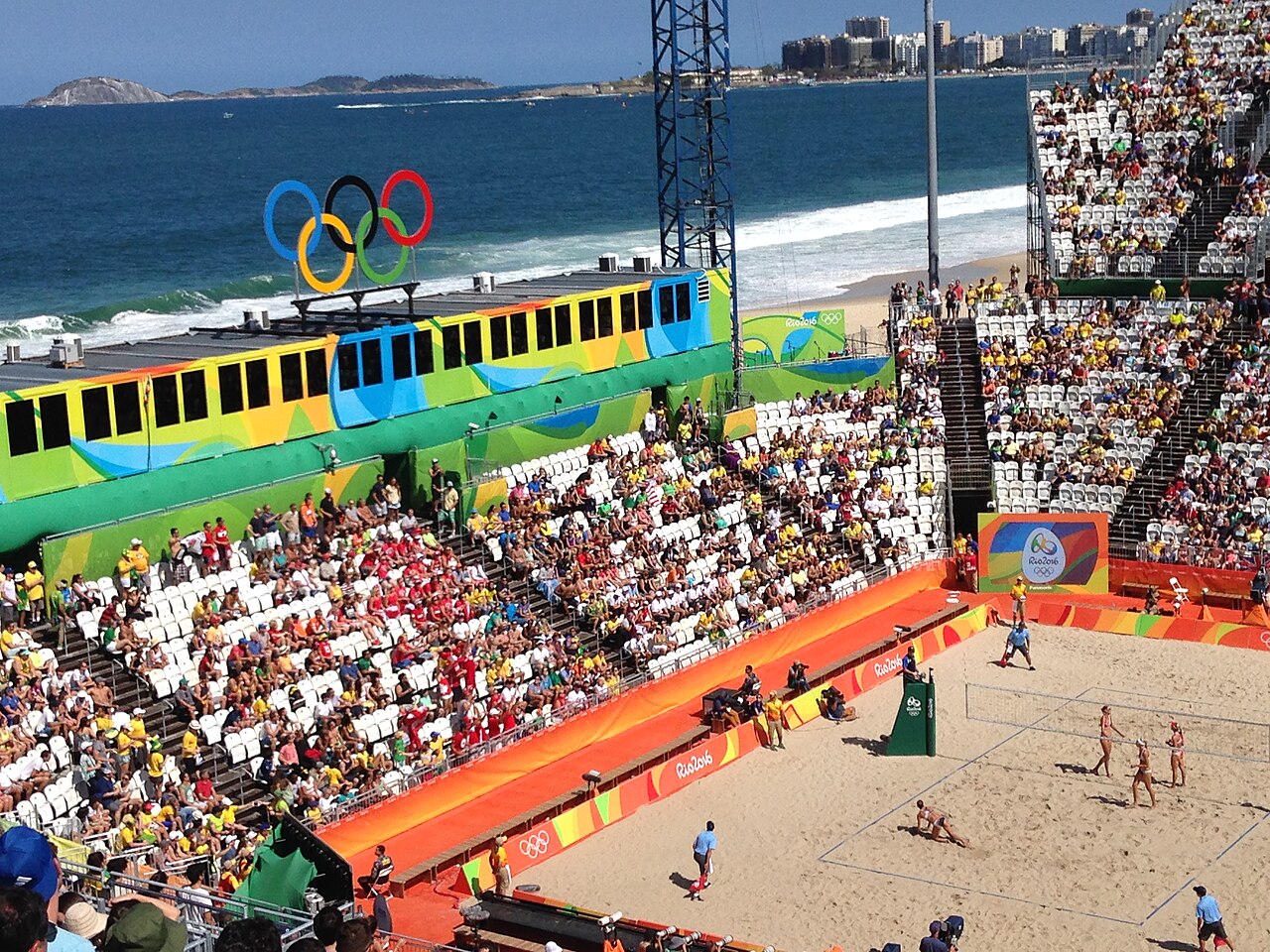
The women's beach volleyball competition at the 2016 Summer Olympics was held in Rio de Janeiro, Brazil, at the Copacabana Stadium. The event ran from August 6 to August 17, 2016, featuring 24 teams and 48 athletes. Anita DeFrantz, an IOC Member and American bronze medalist, awarded the medals, while FIVB President Dr. Ary Graça Filho presented the gifts.
Twenty-four teams were split into six groups of four. The top six teams from the FIVB Olympic ranking as of June 12, 2016, were seeded first in each pool. Teams ranked seventh through ninth were drawn into pools F, E, or D, followed by those ranked tenth through twelfth into pools C, B, or A. The thirteenth through seventeenth ranked teams filled the next row across pools A through E, with one spot reserved for a confederation continental cup champion. The remaining four continental cup champions were placed in pools F through C. The final two spots went to the winners and runners-up of the World Continental Cup. No two teams from the same national Olympic committee could be placed in the same pool, except during the last draw. On August 3, 2016, Italy’s Viktoria Orsi Toth was removed from the tournament after testing positive for clostebol; Laura Giombini replaced her.
The preliminary round used a single round-robin format within each group. The top two teams from each pool and the two best third-place teams advanced directly to the knockout stage. The remaining four third-place teams entered lucky loser playoffs for the last two spots. Fourth-place teams finished 19th, while lucky loser playoff losers tied for 17th. The knockout stage was single-elimination: round of 16 losers placed ninth, quarterfinal losers placed fifth, semifinal losers played for bronze, and the winners competed for gold. Match points were awarded as 2 for a win, 1 for a loss, and 0 for a forfeit. Ties between two teams were broken by points ratio; ties among three teams used head-to-head points ratio. Seeding followed pool composition rules.
All match times were in Brasília Time (UTC−03:00). The round of 16 pairings were determined by a draw: the six pool winners were separated first, then the lucky loser playoff winners, followed by the two best third-place teams, and finally the second-place teams. Teams from the same preliminary pool could not meet in the round of 16.
- Event
- Women's beach volleyball tournament
- Games
- 2016 Summer Olympics
- Location
- Copacabana Stadium, Rio de Janeiro, Brazil
- Dates
- 6 to 17 August 2016
- Teams
- 24
- Athletes
- 48
- Medal presenters
- Anita DeFrantz (IOC Member) and Dr. Ary Graça Filho (FIVB President)
Lore & Background
The tournament began with a preliminary round where twenty-four teams were divided into six pools of four teams, competing in a single round-robin format. The two highest-ranked teams in each group and the two best third-ranked teams advanced automatically to the knockout stage. The other four third-ranked teams faced lucky loser playoffs for the last two spots. The knockout stage followed single-elimination format, with losers in the round of sixteen ranked ninth, quarterfinal losers ranked fifth, and semifinal losers playing for bronze.
On 3 August 2016, Viktoria Orsi Toth from Italy was excluded due to a positive doping test for clostebol before the competition, and her place was replaced by Laura Giombini. The pool composition was determined by a draw based on FIVB rankings as of 12 June 2016, with restrictions preventing teams from the same national Olympic committee from being drawn in the same pool, except in the last drawing.
The round of sixteen pairings were determined by drawing lots, with the six first-ranked teams separated automatically, followed by lucky loser playoff winners, the two best third-ranked teams, and then the second-ranked teams. Teams from the same preliminary pool could not meet in the round of 16.
Reader's Guide
The 2016 women's beach volleyball tournament was a significant event in Olympic history, held at the iconic Copacabana Stadium in Rio de Janeiro. It featured a diverse field of 24 teams from around the world, showcasing the global reach of the sport. The competition structure, with its pool play and knockout stages, ensured a rigorous path to the gold medal. The tournament also highlighted the importance of anti-doping protocols, as Viktoria Orsi Toth was excluded and replaced by Laura Giombini. The event's organization, including the draw procedures and referee selection, reflected the standards of the FIVB and IOC. The presence of Anita DeFrantz and Dr. Ary Graça Filho at the medal ceremony underscored the international cooperation behind the Games. This tournament contributed to the legacy of beach volleyball as a dynamic and widely followed Olympic discipline.
Did You Know?
- The tournament was held at the Copacabana Stadium in Rio de Janeiro, Brazil.
- Twenty-four teams with 48 athletes competed for the gold medal.
- Viktoria Orsi Toth from Italy was excluded due to a positive doping test for clostebol and replaced by Laura Giombini.
- The medals were presented by Anita DeFrantz, IOC Member and Olympian, and gifts by Dr. Ary Graça Filho, FIVB President.
The Medal Race and Final Outcomes
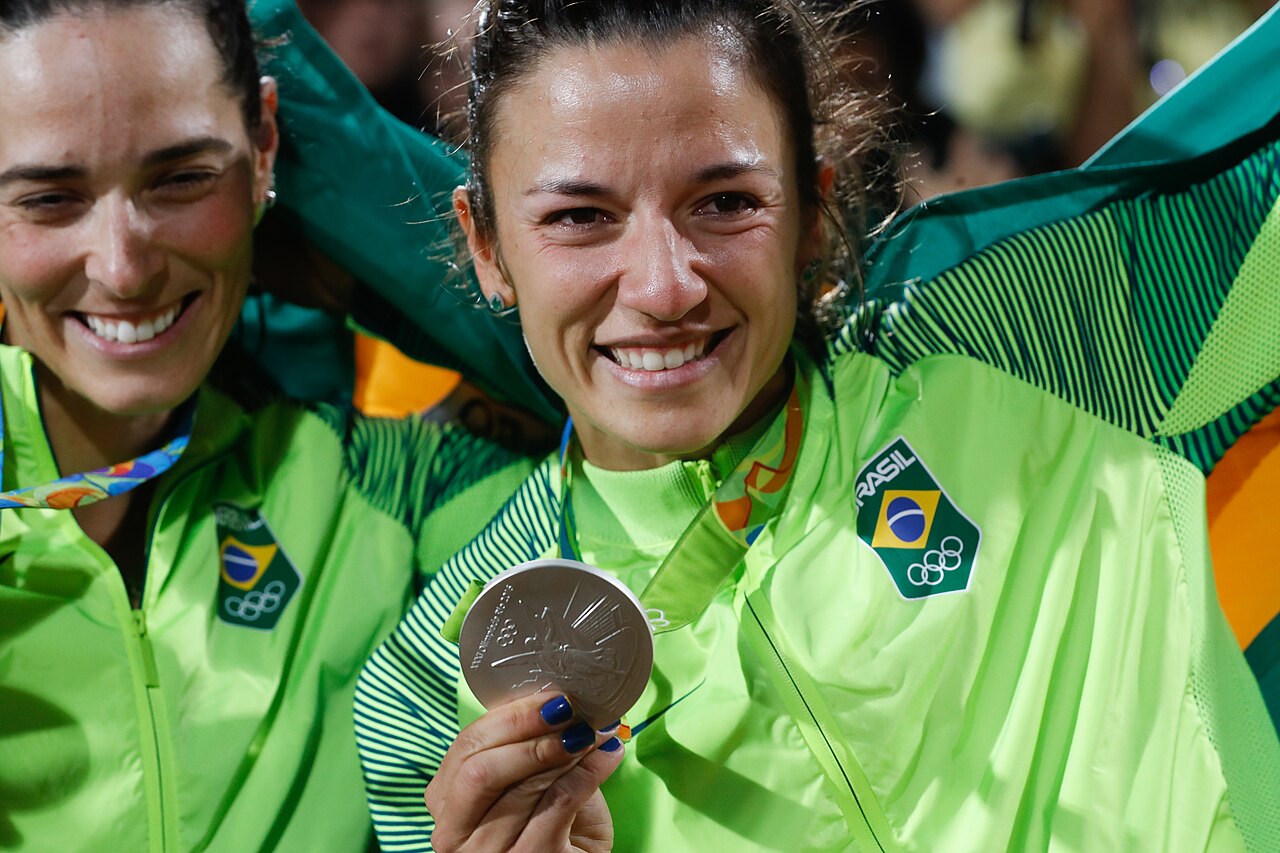
The women's beach volleyball competition at the 2016 Rio Olympics marked the fourteenth time the event had appeared on the Olympic programme, a testament to its enduring place in the Games. Organised jointly by the FIVB and the IOC, the tournament ran from 6 to 20 August 2016 in Rio de Janeiro, Brazil. The crowning moment came when China claimed their third Olympic gold medal in the discipline, edging out Serbia in the gold medal match. The bronze medal contest pitted the United States against the Netherlands, with the Americans prevailing to secure the final podium spot. These three nations—China, Serbia, and the United States—completed the medal table, with China's achievement representing a remarkable continuation of their dominance in women's beach volleyball on the world's biggest stage.
Tournament Architecture and Format
The competition structure at Rio 2016 followed a two-phase design. In the preliminary round, twelve teams were split into two pools of six, each competing in a single round-robin format. The top four teams from each group earned a berth in the knockout stage, while the sixth-placed teams in each pool were assigned an eleventh-place ranking and the fifth-placed teams received ninth. The knockout phase employed strict single-elimination rules: quarter-final losers were ranked fifth, while winners advanced to the semi-finals. The semi-final victors contested the gold medal match, and the two semi-final losers met for bronze. A detailed point system governed pool standings—matches won 3-0 or 3-1 awarded three match points to the winner and zero to the loser, while a 3-2 victory yielded two points to the winner and one to the loser. Ties were broken sequentially by match points, set ratio, setpoint ratio, and head-to-head results between the involved teams.
Seeding and Pool Construction
The seeding process for the 2016 women's beach volleyball tournament relied on the Serpentine system, with placements determined by each team's FIVB World Ranking as of October 2015. This ranking-based approach ensured that the strongest pairs were distributed across both pools to balance competitive strength. However, the FIVB retained a special provision: the host nation, Brazil, was guaranteed the top seed in Pool A regardless of where they stood in the world rankings. In Rio's case, the hosts actually ranked third in the FIVB standings, yet they still received the head-of-pool placement as a matter of hosting rights. The final pool compositions were officially confirmed on 23 May 2016, giving teams and fans a clear picture of the group-stage matchups weeks before the tournament opened. Rankings were displayed in brackets alongside team names, with the host designation noted separately to reflect their unique seeding status.
Governance and the Medal Ceremony
The presentation of medals and gifts at the 2016 women's beach volleyball tournament reflected the broad international governance of the Olympic movement. The medals themselves were handed over by three IOC members representing different nations: Yu Zaiqing from the People's Republic of China, Anita DeFrantz from the United States, and Chang Ung from the Democratic People's Republic of Korea. This tripartite selection underscored the global reach of the Olympic Committee. The ceremonial gifts, a separate tradition in Olympic sport, were presented by the leadership of the FIVB—Ary Graça as President, alongside Executive Vice-Presidents Cristóbal Marte Hoffiz and Aleksandar Boričić. The involvement of both the IOC and the sport's own governing body in the closing ceremony highlighted the collaborative framework under which the tournament was organised, with the FIVB and IOC working in conjunction throughout the event.
Gallery
Frequently Asked Questions
Where was the women's beach volleyball tournament played at the 2016 Summer Olympics?
The competition took place at the Copacabana Stadium in Rio de Janeiro, Brazil, giving the event a classic beachside setting for the duration of the tournament.
How many teams and athletes competed in the 2016 Olympic women's beach volleyball?
A total of 24 pairs (48 individual athletes) entered the event, split into six pools of four teams each.
When did the women's beach volleyball event run at the 2016 Rio Games?
Matches were contested from August 6 through August 17, 2016, spanning roughly twelve days of group play and knockout rounds.
How were the seeding positions decided for the 2016 Olympic women's beach volleyball draw?
The top six pairs on the FIVB Olympic ranking as of June 12, 2016, received the first seed in each of the six pools, while teams ranked seventh through ninth were slotted into pools F, E, or D before the remaining draws were completed.
Who handed out the medals and gifts at the 2016 Olympic women's beach volleyball ceremony?
Anita DeFrantz, an IOC member and former American bronze medalist, presented the medals, while FIVB President Dr. Ary Graça Filho gave the official gifts to the medalists.
More in Beach volleyball at the Summer Olympics 1-19
Spotted an error? Know more?
This is a living reference — every entry is fact-audited, and reader corrections feed straight into our audit queue. Suggest an edit · See this site's audit record